Independent guide, not the official VapoCept website. Order links on this site are affiliate links.
Home / VapoCept Side Effects
Safety notes · November 2026

VapoCept Side Effects: The Label, Then the Sources

The label's own caution, word for word, followed by what public health sources say about each of the six ingredients, how VapoCept fits with medicines and other supplements, and who should check with a doctor first.

Label caution quotedSources for all 6Medicines covered
Check the Order Page See the Ingredients
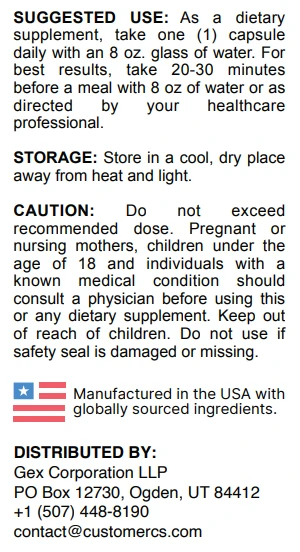
VapoCept label panel with suggested use, storage and caution

Editorial disclosure: vapoceptguide.com is an independent guide and is not the manufacturer, distributor or seller of VapoCept. It contains affiliate links, and we may earn a commission if you purchase through them, at no extra cost to you. These statements have not been evaluated by the Food and Drug Administration. VapoCept is not intended to diagnose, treat, cure, or prevent any disease. Consult a healthcare professional before use.

Start with the label

What the VapoCept Label Says About Safety

The VapoCept label carries this caution, word for word: "Do not exceed recommended dose. Pregnant or nursing mothers, children under the age of 18 and individuals with a known medical condition should consult a physician before using this or any dietary supplement. Keep out of reach of children. Do not use if safety seal is damaged or missing."

The label lists no side effects of its own. The notes below come from public health sources on each ingredient. They describe the ingredient by itself, usually at the amounts used in research; none of them tested VapoCept.

1capsule a day is the full serving
6ingredients, each with a source below
3ingredients covered by NCCIH pages
0caffeine listed on the panel
By ingredient

VapoCept Side Effects: What the Sources Say About Each Ingredient

Ginkgo leaf extract, 100 mg

NCCIH says that for most adults ginkgo leaf extracts are likely to be safe when taken by mouth in moderate amounts, and that the leaf extract is generally well tolerated; the side effects it names most often are dizziness, digestive symptoms and headache. Ginkgo may interact with blood-thinning medicines such as warfarin and with other drugs, and NCCIH says it may be unsafe during pregnancy.

NCCIH: Ginkgo

Turmeric root extract, 50 mg

NCCIH describes conventional turmeric or curcumin taken by mouth as likely safe in recommended amounts for up to 2 or 3 months. It can cause digestive effects such as stomach upset. The page also describes liver-related reports linked to highly bioavailable curcumin formulations and what to do if signs appear, and it says turmeric supplements may be unsafe during pregnancy.

NCCIH: Turmeric

Green tea leaf extract, 15 mg

NCCIH reports no safety concerns for green tea consumed as a beverage by adults. For extracts in tablets or capsules, it notes digestive and other side effects in some people, uncommon liver-related reports, and interactions with some medicines, among them the beta-blocker nadolol. Green tea naturally contains caffeine; caffeine is not listed on the VapoCept panel.

NCCIH: Green tea

Glucosamine, 250 mg

The NIH LiverTox entry describes side effects of glucosamine as uncommon and mild, such as abdominal discomfort, nausea, fatigue and headache, and says any liver injury due to glucosamine must be very rare if it occurs at all. Supplement glucosamine is usually made from shellfish shells or by grain fermentation, and the label does not say which.

NIH LiverTox: Glucosamine

Marigold flower extract, 25 mg (5% lutein)

Lutein is a carotenoid pigment. The 2023 Foods paper this guide cites is about how much lutein marigold petals contain, not about safety, so we add no safety note beyond the label's own caution.

Foods, 2023 (PMC)

Bamboo leaf extract, 5 mg (70% silica)

The 2007 review of silicon and bone health says the normal intake of dietary silicon from foods and water has not been associated with any known toxicity. The extract on this label supplies about 3.5 mg of silica.

Silicon review, 2007 (PMC)
Medicines and other supplements

Taking VapoCept With Medicines or Other Supplements

Three of the six ingredients (ginkgo, turmeric and green tea) have NCCIH pages, and each of them asks anyone who takes a medicine to talk with a health care provider before using the herb. The NIH Office of Dietary Supplements adds three general points that apply to any supplement: tell your health care providers about every dietary supplement you take, keep in mind that "natural" does not always mean safe, and remember that supplements can interact with some medicines.

If you take a prescription

Bring the label to your doctor or pharmacist, especially if your medicine affects blood clotting, since that is the interaction NCCIH names for ginkgo. Check with a doctor first.

If you already take supplements

Look for overlap. Ginkgo, turmeric, green tea extract and glucosamine are common in other formulas, so a second product may add more of the same ingredient. A pharmacist can compare the labels.

If you are pregnant or nursing

The label asks pregnant or nursing mothers to consult a physician before use, and NCCIH says ginkgo and turmeric supplements may be unsafe during pregnancy. Check with a doctor first.

NIH ODS: Dietary Supplements: What You Need to Know

Who should ask first

Who Should Talk to a Doctor Before Taking VapoCept

The label's serving is one capsule a day. Do not take more than that.

Q&A

VapoCept Side Effects: Questions and Answers

Does VapoCept have side effects?

The label lists none of its own. The public sources on its ingredients describe ginkgo as generally well tolerated, conventional turmeric as likely safe for up to 2 or 3 months in recommended amounts, glucosamine side effects as uncommon and mild, and green tea as a beverage without safety concerns for adults. Each ingredient's notes are above.

Can I take VapoCept with blood thinners?

Ask your doctor first. NCCIH says ginkgo may interact with blood-thinning medicines such as warfarin.

Can I take VapoCept with other medicines?

Talk with your doctor or pharmacist first. The NCCIH pages on ginkgo, turmeric and green tea all ask people who take medicines to do so, and green tea extract can affect some medicines such as nadolol.

Can I take VapoCept with other supplements?

Possibly, but check for overlap first: ginkgo, turmeric, green tea extract and glucosamine appear in many formulas. The NIH Office of Dietary Supplements asks people to tell their health care providers about every supplement they take.

Is VapoCept safe during pregnancy?

The label asks pregnant or nursing mothers to consult a physician before use, and NCCIH says ginkgo and turmeric supplements may be unsafe during pregnancy.

Does VapoCept contain shellfish?

The label does not say. Supplement glucosamine is usually prepared from shellfish shells or by grain fermentation, according to NIH LiverTox. Ask support at contact@customercs.com if this matters to you.

Will VapoCept keep me awake?

Caffeine is not listed on the panel. If you are sensitive to caffeine, note that the label does not say whether the green tea extract is decaffeinated, and the label's tip is to take the capsule before a meal.

What if VapoCept does not suit me?

Stop taking it and talk to your doctor if anything worries you. For a refund, the order page states a 60-day money-back guarantee; the buying guide explains how to ask.

Order VapoCept From Its Own Order Page

VapoCept comes in packs of 2, 3 or 6 bottles of 30 capsules. The 3- and 6-bottle packs ship free, and the order page states a 60-day money-back guarantee. Step-by-step help is in the VapoCept buying guide.

Go to the VapoCept Order Page